Blog
What Are Generic Medicines? A Simple Guide

Introduction
Standing at a pharmacy counter with a long prescription can feel overwhelming. The bill for diabetes tablets, blood pressure medicine, and a painkiller can easily run into thousands of rupees each month, especially when treatment is lifelong. Many Indian families quietly trim other expenses just to keep up with these costs.
That is usually when big questions appear: What are generic medicines? Do they really work as well as famous brands? Why are they so much cheaper? Some people feel relieved by the lower price; others worry that a smaller bill might hide weaker medicine or extra risk.
Generic medicines are scientifically tested, regulator‑approved versions of branded drugs. They have the same active ingredient, in the same strength and form, and they work in the same way inside the body. The main difference is price: generic manufacturers do not repeat expensive research or large advertising campaigns, so they can sell at a far lower cost. For Indian families managing chronic conditions, this can mean the difference between skipping doses and staying on treatment.
This guide explains what generic medicines are, how they compare with branded drugs, why they cost less, how safety is checked, when they become available, and how to buy them wisely in India. Throughout the article, Zenerics appears as a trusted online pharmacy focused on genuine generics, affordable pricing, and pan‑India access. By the end, it becomes easier to talk to a doctor, read a prescription, and choose safe, pocket‑friendly medicines for the whole family.
What Are Generic Medicines? Understanding the Basics
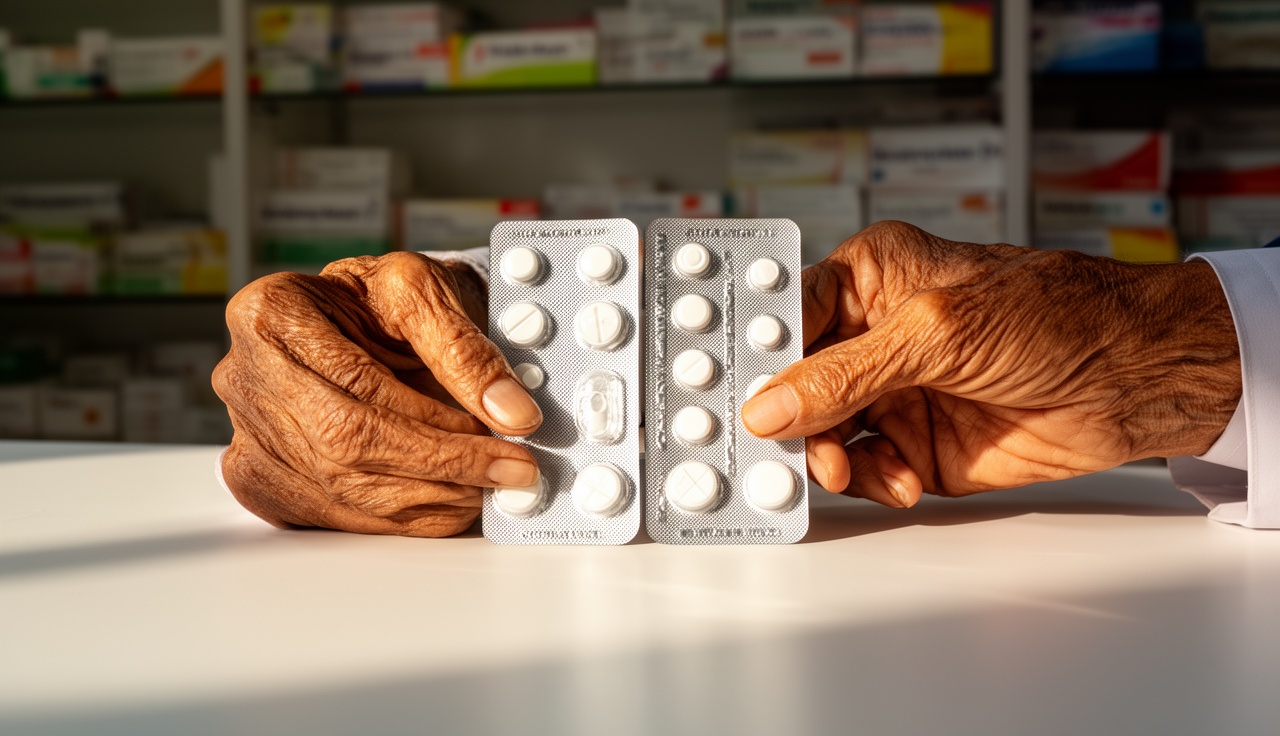
To understand what are generic medicines, it helps to start with how any medicine is built. Every medicine has an active pharmaceutical ingredient (API) – the chemical part that treats the condition, whether that means lowering blood sugar, reducing pain, or controlling blood pressure. A generic medicine uses the same API, in the same strength and form, as a branded medicine that is already approved.
Regulators only call a medicine “generic” when it closely matches the original brand. In practice, that means it must have the same:
- Active ingredient
- Strength (for example, 500 mg)
- Dosage form (tablet, capsule, syrup, injection, and so on)
- Route (such as oral or injection)
- Intended use, safety profile, and treatment effect
In simple words, a person taking the generic should feel the same medical benefit as someone taking the branded version.
A core scientific idea behind generics is bioequivalence. Bioequivalence means the generic releases the active ingredient into the bloodstream at almost the same rate and in almost the same amount as the original brand. If both versions reach the blood in the same way, they act on the body in the same way. Regulators such as the Central Drugs Standard Control Organisation (CDSCO) rely on these studies while deciding whether a generic can be sold.
While the active part is the same, some outside details can differ. A generic tablet may be a different colour or shape, or come in different packaging. It may use slightly different inactive ingredients, such as fillers, binders, or flavouring agents. These changes are made for manufacturing or branding reasons and do not change how well the medicine works.
In India, Paracetamol is a familiar example. Paracetamol is the generic name of a common pain and fever medicine. Crocin is one brand that sells tablets containing Paracetamol. Many other brands – and plain Paracetamol tablets – are available in the market. All of them rely on the same API to reduce pain and fever, even though their names, colours, and prices differ.
Because patents expire after some time, many manufacturers can produce the same generic medicine once the branded product loses protection. Each of these manufacturers must follow the same rules on quality, safety, and performance. For patients, this means they can choose a generic option without giving up treatment quality.
Generic vs. Branded Medicines: A Detailed Comparison
Branded, or innovator, medicines start their life in a research lab. A company discovers a new molecule, studies it in animals, and then runs several phases of human trials to show that the drug works and is reasonably safe. This process can take many years and involves very high spending on scientists, clinical studies, and regulatory work. In return, the company receives a patent that gives it exclusive rights to sell that medicine for a limited time.
Because only one company can sell the patented drug, it can set a higher price to recover research costs and pay for marketing. Medical representatives visit doctors, conferences are sponsored, and advertisements appear in different media. The medicine is sold under an easy‑to‑remember brand name, and doctors often start prescribing it once they gain comfort with its use.
Generic medicines come later. Once the patent period ends, other companies are allowed to make their own versions using the same active ingredient. They do not repeat all the original trials. Instead, they run bioequivalence studies that show their version behaves like the original in the body and then submit an Abbreviated New Drug Application (ANDA), rather than a full New Drug Application (NDA).
Both branded and generic medicines must meet strict rules set by regulators such as CDSCO in India and the United States Food and Drug Administration (FDA). They must follow Good Manufacturing Practices (GMP), maintain clean factories, test every batch, and track safety issues. In many cases, the same large company that made the original brand later makes the generic too, often on the same production line.
Key Differences at a Glance: Generic vs. Branded Medicines
While the medical effect is the same, there are several practical differences that matter to patients and families. The table below offers an easy comparison of key areas.
| Aspect | Generic Medicines | Ethical or Branded Medicines |
|---|---|---|
| Active Ingredients | Use the same API as the branded drug, giving the same treatment result for the same condition. | Use the original API that the company discovered and first introduced into the market. |
| Cost | Usually 50–80 percent cheaper because there are no original research costs and little spending on advertising. | Priced higher because they carry the heavy cost of discovery, long clinical trials, and strong promotion. |
| Patent Protection | Do not have exclusive patents, so many companies can make and sell the same medicine once the brand’s patent expires. | Protected by patents for up to around 20 years from filing, allowing one company to sell without competition. |
| Regulatory Approval | Approved through an ANDA that focuses on bioequivalence and quality checks against the reference brand. | Approved through a full NDA that includes all preclinical and clinical trial data from the early research stage. |
| Marketing | Limited promotion, often with simple branding because price and clinical equivalence are the main selling points. | Supported by strong marketing to doctors and hospitals so that the brand name becomes well known. |
| Accessibility | Often more widely available because multiple manufacturers supply pharmacies across regions. | Availability may depend on the brand’s distribution reach and pricing decisions. |
| Quality Standards | Must follow the same standards for purity, strength, and safety as branded medicines. | Must follow the same regulatory rules, testing, and factory practices as required for generics. |
Why Are Generic Medicines So Much More Affordable?

Many people look at a price tag and wonder whether a cheaper medicine can really be as good. The lower price of generic medicines comes from how they reach the market, not from any cut in quality.
Several factors reduce the cost:
- Lower research expenses: When a new branded medicine is developed, the company spends heavily on discovery, animal studies, and several phases of human trials. Those costs are built into the price of the branded product.
- Smaller clinical studies: Generic manufacturers enter only after the branded medicine has already proved its benefit and safety. They use the same active ingredient and dose levels, so they run smaller bioequivalence studies instead of large trials.
- Less marketing spend: Branded medicines often have teams of representatives, printed materials, and sponsored events. Generic companies rely more on doctors’ and pharmacists’ knowledge that generics work the same way, so their marketing budget stays smaller.
- Competition between manufacturers: After a patent ends, many companies can make the same generic medicine. Several options on the shelf push prices down, and the saving goes straight to patients.
- Efficient manufacturing: Many generics are produced in large, modern plants that already run similar products. Once the process is set up, each extra batch costs less to make.
In India, this often means generic versions of common chronic‑disease medicines cost 50–70 percent less than branded ones. For someone taking tablets every day, such savings month after month can ease pressure on the entire household budget without reducing treatment quality.
Are Generic Medicines Safe and Effective? Quality Assurance Explained

A common thought goes like this: If a medicine is cheaper, there must be some hidden compromise. When it comes to generic medicines, that fear is understandable but not supported by how these medicines are regulated.
Safety and treatment effect sit at the centre of the approval process. Before a generic medicine can be sold, its maker must show that the same amount of active ingredient reaches the bloodstream in nearly the same pattern as the original branded drug. If blood levels match closely over time, doctors and regulators know that the medicine will act on the body in the same way.
According to guidance from the World Health Organization (WHO), generic medicines must match originator products in quality, safety, and efficacy before they are considered interchangeable.
In India, CDSCO sets rules for how medicines are made, tested, and monitored. Generic manufacturers must follow these rules just like the original brand owner. Data on quality, strength, purity, and stability are reviewed before approval. Many Indian companies also meet standards set by agencies such as the US FDA and follow inspections for export markets.
Good Manufacturing Practices (GMP) add another layer of protection. These rules cover every step of production, from buying raw materials to packing finished strips, and help prevent contamination or dosing mistakes. In real life, it is common for one pharmaceutical company to make both the brand and the generic version in the same building.
People sometimes worry about inactive ingredients such as fillers, binders, or colouring agents. While these can differ between brands and generics, they are chosen from substances with a strong record of safe use. For almost all patients, these differences do not change how the medicine feels or works. In the rare case where someone reacts to a specific dye or filler, the doctor can switch to another generic or brand with a different composition.
When a doctor prescribes a generic from a reliable source, its safety and treatment effect are expected to mirror the branded product. Side effects, warnings, and precautions remain the same. The key for patients is to buy from a trusted, licensed pharmacy. Online services such as Zenerics add comfort by double‑checking authenticity before dispatch and focusing only on genuine, regulator‑approved generics.
How and When Do Generic Medicines Become Available?
Not every new medicine has a generic version right away. The timing depends on the patent system, which tries to reward innovation while later giving patients more affordable options.
A company that invents a new medicine usually files for a patent on the active ingredient and sometimes on how it is used. This patent often lasts around 20 years from the date of filing. A large part of that period is spent on research, clinical trials, and regulatory review, so by the time the drug reaches pharmacies only a few years of market exclusivity may remain.
Once patent protection ends, other companies are legally allowed to prepare their own versions. Generic manufacturers submit an Abbreviated New Drug Application (ANDA) to the national regulator, showing that their medicine uses the same active ingredient, strength, and dosage form, and that it is bioequivalent to the original brand. Regulators may review these applications even before the patent fully expires and grant tentative approval, which becomes effective once legal barriers are over.
There are several reasons why some medicines still do not have generics. Some are newer products that remain under active patents. Others, such as many biologic drugs made from living cells, are harder to copy closely and require complex testing for their follow‑on versions, called biosimilars. In a few cases, the number of patients using a very specialised medicine is too small for generic makers to see a clear business case.
For common conditions such as diabetes, high blood pressure, heart disease, pain, and infections, generic options are already widely available in India. Many of these medicines appear on government lists, in Jan Aushadhi stores, and on online pharmacy catalogues. Platforms like Zenerics stock a wide range of these generics so that patients can benefit from established treatments at lower prices.
The Major Benefits of Choosing Generic Medicines for Indian Families
For Indian families, choosing between an expensive branded medicine and its generic counterpart is often not just a medical decision but a financial one. Monthly medicine bills can feel as heavy as school fees or home rent, especially when more than one family member is on long‑term treatment.
Key benefits of choosing generic medicines include:
- Lower cost: Generics often cost 50–80 percent less than branded versions for the same strength and pack size. Over months and years, this saving can reach tens of thousands of rupees.
- Same treatment effect: Because the active ingredient, dosage strength, and safety profile match the branded drug, blood pressure control, pain relief, or blood sugar levels can stay just as stable.
- Better treatment adherence: When medicines are affordable month after month, people are far less likely to skip doses or stop treatment early, which reduces the risk of complications.
- Wider access: In rural and semi‑urban areas where incomes are lower, a prescription filled with generics is more likely to fit the household budget, so more people receive the care they need.
- Support for long‑term disease management: Chronic illnesses such as diabetes, heart disease, and asthma require steady use of medicines. Generics keep ongoing costs manageable, helping families plan ahead.
Zenerics is built around these benefits. It offers genuine generic medicines across major therapy areas at prices often 50–70 percent lower than many branded drugs. Orders go through a double‑check for authenticity before dispatch, and pan‑India delivery means even families in smaller towns can receive their medicines at home. Cashback on prepaid orders and free shipping above certain amounts add extra saving, supported by a health‑focused team that keeps patient well‑being at the centre of its service.
Top Generic Medicines Available in India for Common Health Conditions
Knowing what are generic medicines is one part of the picture. The other part is recognising common examples that many Indian doctors prescribe every day. The following sections give a broad view across major health areas. This is general information, not personal medical advice, so any change in medicines should always go through a doctor.
Diabetes Care and Management
Diabetes is one of the most common long‑term conditions in India and often needs more than one medicine. Metformin is a widely used generic tablet that helps control blood sugar by acting on how the body handles glucose. Glimepiride (a sulfonylurea) helps the pancreas release more insulin, and many insulin formulations also have generic versions in vials or pens. Choosing generics for these medicines can reduce monthly costs significantly for someone who needs treatment for life.
Cardiovascular Health
Heart disease and high blood pressure are major health challenges, especially among middle‑aged and older adults. Generic Atorvastatin helps lower cholesterol and reduce the risk of heart events. Amlodipine (a calcium channel blocker) and ACE inhibitors such as Enalapril and Lisinopril are common blood‑pressure medicines, while low‑dose Aspirin is often used under medical guidance for heart protection. Using generic versions keeps long‑term heart care far more affordable.
Pain Management and Relief
Almost every household needs pain relief at some point, whether for fever, headache, or joint pain. Paracetamol is the most familiar generic option for fever and mild to moderate pain. Ibuprofen and Diclofenac are nonsteroidal anti‑inflammatory drugs (NSAIDs) that help with pain and swelling, especially in muscle or joint issues. Zenerics offers a wide selection of such generic pain‑relief medicines so families can keep a basic home kit ready at a lower cost than many branded packs.
Women’s Health and Wellness
Women have specific health needs at different stages of life, and many are handled well with generics. Iron supplements help manage anaemia, which is common among Indian women and can cause tiredness and weakness. Folic acid is important for women who are planning pregnancy or are already pregnant, while calcium supports bone health, especially around menopause. There are also generic versions of many hormonal contraceptives, which doctors may prescribe based on individual needs.
Skincare and Dermatological Treatments
Skin problems can affect comfort and confidence, yet branded creams and gels can be expensive. Generic Adapalene gels are used for acne treatment. Clotrimazole creams treat fungal infections such as ringworm, and mild Hydrocortisone creams can soothe certain inflammatory skin conditions when used under medical advice. Tretinoin creams are also used for acne and some other skin issues, with generic options making full treatment courses more affordable.
Nutritional Supplements and Vitamins
Supplements may not be as tightly controlled as prescription drugs, but generic forms still matter for saving money and supporting health. Generic multivitamin tablets provide a mix of vitamins and minerals that fill nutritional gaps in daily diet. Vitamin D3 supports bone and immune health, omega‑3 fatty acids from fish oil support heart and brain health, and probiotics help maintain healthy gut bacteria. Zenerics offers a broad catalogue of such generic supplements with clear labelling and product information, so families can choose wisely with guidance from their doctors.
How to Safely Purchase Generic Medicines in India
Buying generic medicines wisely is just as important as knowing how they work. The biggest rule is simple: always buy from trusted, licensed sources. A low price helps only when the product itself is genuine, properly stored, and approved by regulators.
Counterfeit or poor‑quality medicines can sometimes enter the market through unverified sellers. These products may contain the wrong dose, the wrong ingredient, or no active ingredient at all, which can damage health and delay proper treatment.
When you receive a medicine pack, a few quick checks improve safety:
- Packaging is clean, sealed, and not damaged.
- The manufacturer’s name and address are printed clearly.
- Batch number, manufacturing date, and expiry date are easy to read.
- The label lists the generic name and strength (for example, Metformin 500 mg).
Certain purchase channels are usually more reliable: long‑standing neighbourhood pharmacies, government‑run Jan Aushadhi Kendras under the Pradhan Mantri Bhartiya Janaushadhi Pariyojana, and verified online pharmacies that clearly display their drug licence numbers.
Zenerics is one such online platform with a strong focus on safety and authenticity. Every order is double‑checked before dispatch, products come only from approved manufacturers, and all packs are within date and properly labelled. Pan‑India delivery means even families in towns without large pharmacies can receive genuine generics at home, with transparent pricing and responsive customer support.
Working with healthcare providers adds another layer of protection. Before switching from a brand to a generic, or between two generics, talk to the prescribing doctor. Pharmacists can also point out generic options that match the prescription and explain any differences in appearance. In India, doctors are increasingly encouraged to prescribe by generic name, which makes it easier to choose any approved brand containing the same active ingredient.
Stay alert to warning signs such as:
- Prices that seem unrealistically low compared with other pharmacies
- Sellers who hide their address or licence details
- Packs with spelling mistakes or missing labels
- Websites without secure (https) connections for payment
Taking a minute to run through these checks protects both your health and your money when buying generic medicines.
Common Myths and Misconceptions About Generic Medicines
Even though generic medicines are widely used, several myths still cause doubt. Most of them come from lack of information rather than real experience. Clearing them up can help patients feel more confident when they decide between branded and generic options.
Myth 1: Generic Medicines Are Less Effective Than Branded Drugs
Many people think generics are weaker or slower than branded medicines. In reality, approved generics contain the same active pharmaceutical ingredient, in the same strength, as the original brand. Before a generic reaches the market, it must pass bioequivalence tests that show it delivers the drug into the bloodstream in the same way and to the same extent. Regulators such as CDSCO and the US FDA only approve generics that meet these standards, so treatment results such as controlled blood pressure or reduced fever match those seen with the branded version.
Myth 2: Lower Price Means Lower Quality
Another common belief is that a higher price always means better quality. For generic medicines, lower price reflects the cost structure, not weaker standards. Generic manufacturers save money because they do not pay for original discovery or long clinical trials and usually spend less on marketing. At the same time, they must follow the same manufacturing rules, quality checks, and factory inspections as branded manufacturers. In some cases, the same company produces both versions in the very same plant.
Myth 3: Generic Medicines Have More Side Effects
Since both branded and generic versions use the same active ingredient in the same strength, their basic side‑effect profile is the same. Any nausea, dizziness, or other expected reaction listed for the brand will also apply to the generic. Inactive ingredients such as fillers or colouring agents can vary, but these are chosen from substances known to be safe in medicines. If someone had no issue with the branded medicine, they are very unlikely to have new side effects just because they switched to a generic. Any unusual reaction should always be reported to a doctor, no matter which version is used.
Myth 4: Doctors Don’t Prescribe or Trust Generic Medicines
Some patients believe doctors avoid generics or think they are second‑grade. In fact, many healthcare professionals in India and abroad prescribe generics regularly, especially for long‑term conditions where cost affects adherence. Medical training teaches doctors that a bioequivalent generic works like its reference brand, and national health systems often recommend generics to keep treatment affordable. In India, policy encourages prescriptions by generic name so pharmacies can offer suitable, approved products at different price points.
Understanding Generic Medicine Labels and Information
Reading a medicine label carefully is one of the simplest ways to stay safe and informed. Labels carry key details about what the product contains, who made it, and how it should be used and stored.
On almost every pack you will find:
- The generic name (active ingredient), such as Paracetamol or Metformin
- Any brand name the manufacturer uses for marketing
- The strength or dosage per tablet, capsule, or millilitre (for example, 500 mg)
- The dosage form – tablet, capsule, syrup, suspension, injection, ointment, gel, and so on
Manufacturer details, including the company name and address, show who is responsible for producing the medicine. The batch number, manufacturing date, and expiry date are printed on the strip or bottle so that any quality issues can be traced and products can be recalled if needed. Always check the expiry date before use and avoid buying products that are close to the end of their shelf life when you expect to use them for a long time.
Most medicines include a drug information leaflet inside the pack. This leaflet explains what the medicine treats, how and when to take it, typical doses, situations where it should not be used (contraindications), possible side effects, and known drug interactions. Reading it helps you notice warning signs early and avoid mixing medicines that do not go well together.
Keeping medicines in their original packaging preserves all this information. If tablets are moved into an unlabelled box or bottle, it becomes easy to forget the strength, expiry date, or even which medicine is which. When in doubt, asking a pharmacist is always wise. Platforms like Zenerics support this process by providing clear product descriptions on their website and by offering customer support to answer basic questions about labels and usage.
The Role of Government Policies in Promoting Generic Medicines in India
India is often called the “pharmacy of the world” because of its strong role in producing generic medicines. Within the country, the government has taken several steps to make generics a central part of affordable healthcare and to reduce out‑of‑pocket spending.
One major effort is the Pradhan Mantri Bhartiya Janaushadhi Pariyojana. Under this programme, Jan Aushadhi Kendras are opened across the country to sell quality generic medicines at prices much lower than many branded equivalents. These stores follow standard procurement and quality checks, giving patients confidence that lower price does not mean poor quality.
The Central Drugs Standard Control Organisation (CDSCO) plays a central role as the national drug regulator. It sets and enforces rules that apply to both branded and generic medicines: approving new generics, checking manufacturing facilities, and monitoring product safety after launch. By holding all manufacturers to the same standards, CDSCO supports the idea that generics are medically equal to branded products.
Government and professional bodies have also encouraged prescriptions written by generic name rather than brand. When a doctor writes the generic name, pharmacists are free to offer any approved product with that active ingredient, including lower‑priced options. The Competition Commission of India (CCI) has looked at medicine pricing and trade practices and raised concerns about very high trade margins and information gaps that make it hard for patients to compare prices.
Public programmes and private players work side by side in this space. Government efforts expand access through Jan Aushadhi stores and regulation, while online platforms such as Zenerics give people another safe channel to buy genuine generics with pan‑India delivery, especially in areas far from large hospitals or government outlets.
When to Consult Your Doctor About Switching to Generic Medicines

While generic medicines are safe and effective, any change in medication should involve a healthcare professional. A doctor or specialist understands your medical history, current treatment, and possible risks, so talking with them before switching from a branded medicine to a generic – or between generics – keeps treatment smooth.
If you live with a chronic condition such as diabetes, hypertension, or heart disease, medicines often need fine tuning. Switching to a generic under medical guidance allows the doctor to monitor your readings and adjust doses if needed. People who take several medicines at once, such as many elderly patients, also need extra care because of possible drug interactions.
If you are experiencing side effects from your current medicine, discuss them before any switch. For medicines with a narrow safety margin, where even small changes in blood levels matter a lot, doctors may prefer certain brands or keep a closer watch during any change. Life stages such as pregnancy, breastfeeding, childhood, and older age also require special attention, so never change or start medicines in these situations without medical advice.
When you meet your doctor, clear questions help both of you decide well. You might ask whether there is a generic alternative to your current medicine, whether changing would affect your treatment goals, and what signs to watch for after the switch. Once a decision is made, the doctor can write a prescription mentioning the generic name and, if needed, a particular company, and may suggest follow‑up tests or visits.
Zenerics supports this careful approach by stocking authentic generics that match widely used brands. When your doctor has approved a generic switch, you can use the platform to find the prescribed strength and form, knowing the focus is on genuine, regulator‑approved products rather than on aggressive brand marketing.
Conclusion
For many Indian families, medicine bills are among the biggest regular expenses. Understanding what are generic medicines gives a powerful way to bring those costs down without giving up treatment quality. Generics use the same active ingredient as branded drugs, in the same strength and dosage, and must pass strict checks for safety and performance. The difference lies mainly in lower development and marketing costs, which makes the final price far easier on the pocket.
Far from being second‑grade options, generic medicines are medically equivalent choices backed by regulators such as CDSCO, the US FDA, and WHO. They offer a practical path to long‑term treatment for people living with diabetes, heart disease, pain, and many other conditions. When medicines are affordable, patients are more likely to complete full courses, keep chronic illness under control, and avoid health crises caused by skipped doses.
The financial relief is real. Savings of 50–70 percent on regular prescriptions can free up money for better food, education, and other family needs. This matters across income levels but is especially important for elderly people on fixed incomes, caregivers managing multiple prescriptions, and households in rural or semi‑urban areas.
The next step is to bring these benefits into daily life in a safe and informed way. Talk openly with your doctor about generic alternatives, read medicine labels carefully, and choose pharmacies that focus on genuine products. Zenerics is designed to be such a partner, offering a wide range of authentic generic medicines, pan‑India home delivery, a double‑checking process for every order, and extra savings through cashback and free‑shipping offers. With sound medical advice and reliable access to affordable generics, you can keep treatment quality strong while taking steady control of healthcare costs.
FAQs
FAQ 1: Are Generic Medicines Really as Effective as Branded Medicines?
Yes. Approved generic medicines are just as effective as branded medicines when used as directed. They contain the same active pharmaceutical ingredient, in the same strength and dosage form. Before approval, regulators such as CDSCO in India and the US FDA require bioequivalence studies to show that the generic delivers the active ingredient into the bloodstream in the same way and to the same extent as the original brand. When prescribed correctly, treatment results with generics match those seen with branded drugs.
FAQ 2: Why Do Generic Medicines Look Different From Branded Versions If They’re the Same?
Generic medicines often look different because trademark rules protect the appearance of branded products. A company that creates a new drug may design a special colour, shape, or imprint for its tablets, and other companies are not allowed to copy that exact look. Generic manufacturers therefore use their own designs and may choose different colours, sizes, or markings. These differences usually come from inactive ingredients such as coatings, fillers, or dyes, which do not affect how the medicine works. The important point is that the active ingredient and its strength remain the same.
FAQ 3: How Much Money Can I Save by Switching to Generic Medicines?
Switching to generics can cut medicine spending by a large amount. In many cases, generic medicines cost 50–70 percent less than branded equivalents for the same dose and pack size, and for some drugs the difference can reach 80–90 percent. For someone who takes daily tablets for diabetes, hypertension, or heart disease, this can translate into thousands of rupees saved every month. For example, a branded diabetes medicine that costs around ₹500 might have a generic available for ₹150–₹200. Over a year, that kind of saving can help pay for tests, doctor visits, or other healthcare needs. Zenerics adds to this with cashback on prepaid orders and free shipping on qualifying purchases.
FAQ 4: Do I Need a Prescription to Buy Generic Medicines?
The rules for buying generics are the same as for branded medicines. If the active ingredient is in a prescription‑only category, you must have a valid prescription from a licensed doctor, whether you choose the branded or generic version. This applies to most chronic‑disease medicines, antibiotics, and any drug with stronger effects or safety concerns. Some simple pain relievers, cough syrups, or supplements may be sold without a prescription, depending on Indian regulations. Reputable online pharmacies like Zenerics will ask you to upload a prescription before shipping regulated medicines.
FAQ 5: Can I Trust Generic Medicines Purchased Online?
You can trust generic medicines bought online when the pharmacy is properly licensed and follows strict quality checks. A reliable online pharmacy clearly displays its drug‑licence information, offers secure payment options, and provides full details about each product, including the manufacturer and expiry date. Medicines should arrive in proper packaging with clear labels, and customer support should be available for questions. Platforms such as Zenerics go a step further by double‑checking every order for authenticity and sourcing only from approved manufacturers. Warning signs include unrealistically low prices, missing contact information, and websites without secure (https) connections.
FAQ 6: Will Switching to a Generic Medicine Cause Side Effects?
Switching to a generic medicine does not usually create new side effects, because the active ingredient and dose remain the same as in the branded version. Any common side effects listed for the original brand – such as mild stomach upset or drowsiness – will also apply to the generic. Inactive ingredients such as fillers or colouring agents may differ, but these are generally chosen from substances with a long record of safe use. If you notice any new or worrying symptoms after a switch, contact your doctor without delay. Most patients change to generics smoothly and continue treatment without problems.
FAQ 7: Are There Any Medicines That Don’t Have Generic Versions Available?
Yes. Some medicines do not yet have generic versions in the market. A common reason is that the drug is still under patent, which means only the original company can make and sell it for a fixed number of years. Certain medicines, especially complex biologics made from living cells, are also harder to copy and need more advanced processes to create similar versions. In other cases, the number of patients who need a particular medicine is very small, so generic makers may not find it worthwhile to develop a copy. For many widely used treatments, especially for chronic diseases such as diabetes and hypertension, generics are already available in India. Doctors, pharmacists, or online platforms like Zenerics can help you check whether a generic alternative exists for your prescription.